Many companies are unclear about the distinction between a “deposit” and an “exempted deposit,” particularly for funds from directors, relatives, and members, creating compliance risk.
This confusion can lead to penalties, reporting errors, and regulatory scrutiny, even when the money was raised in good faith.
A clear understanding of what qualifies as a deposit, what is treated as an exempt deposit, and how to comply with forms such as DPT-1 and DPT-3 helps companies stay fully aligned with the law.
This guide explains the rules under the Companies (Acceptance of Deposits) Rules, 2014, including exemptions for director loans, transactions with relatives, and deposits from members.
Any company may accept money from a director at the time of receipt, provided it is from the director’s own funds. For this exemption, the director must give a written declaration that the amount is not sourced from any borrowings, loans, or deposits taken from others.
When these conditions are met, such amounts are treated as exempted deposits and are not considered “deposits” under Rule 2(1)(c)(viii) of the Companies (Acceptance of Deposits) Rules, 2014. However, after amendments, companies must disclose such amounts received from directors in the Board’s/Directors’ Report and in the financial statements.
Under the Companies Act, 1956, private companies may accept loans from directors’ relatives. Initially, the Companies Act, 2013 and the original Deposit Rules did not allow companies to take such amounts from relatives.
With the Companies (Acceptance of Deposits) Second Amendment Rules, 2015 (effective 15 September 2015), private companies were permitted to accept amounts from relatives of their directors out of the relatives’ own funds. The relative must submit a declaration that the money is not given out of funds acquired by borrowing or by accepting loans or deposits from others, and such amounts are treated as exempted deposits.
This relaxation applies only to private companies. Public companies are still not allowed to accept amounts from relatives of their directors under this exemption.
For these provisions, “relative” follows the meaning under the Companies Act and related rules. It typically includes:
Subject to the required resolution and the conditions in Section 73 and the Rules, a company may accept deposits from its members up to 25% of the aggregate of paid-up share capital and free reserves (and the securities premium account, post-amendment). This limit structure originally applied to both public and private companies, but later exemptions were granted to certain private companies.
Requirement | Private Companies under Exemption Notification | Other Companies |
Resolution | Ordinary Resolution | Ordinary Resolution |
Form DPT-1 | Not required | Mandatory. Issue circular, file with ROC, include auditor certificate. |
Deposit Trust Deed (DPT-2) | Not required | Mandatory before issuing DPT-1 circular |
Deposit Repayment Reserve | Not required | Mandatory – 15% (now 20% from 15 Aug 2018) of deposits maturing in current + next year |
Security for Secured Deposits | Optional | Optional |
Deposit Insurance | Not required | Earlier required; removed from 15 Aug 2018 |
Deposit Receipt | Within 21 days | Within 21 days |
Deposit Register | Mandatory | Mandatory |
Tenure of Deposits | 6–36 months (with limited exceptions) | Same as private companies |
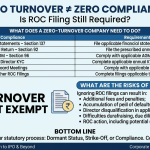
Ensuring proper Annual ROC Filing is crucial, as deposit-related disclosures form part of these annual returns.
A specified IFSC Public Company (licensed by SEBI/RBI/IRDAI in an approved SEZ) can accept up to:
Compliance requirements include:
All companies whether accepting deposits, exempted deposits, or both must file:
Failure to file can result in penalties and scrutiny. This process is an integral component of ongoing Company Secretarial Service.
Companies must carefully classify funds received from directors, relatives, and members to determine whether they qualify as deposits or exempted deposits. Regardless of classification, Form DPT-3 filing is mandatory every year, making compliance essential for all companies.